Cancer type
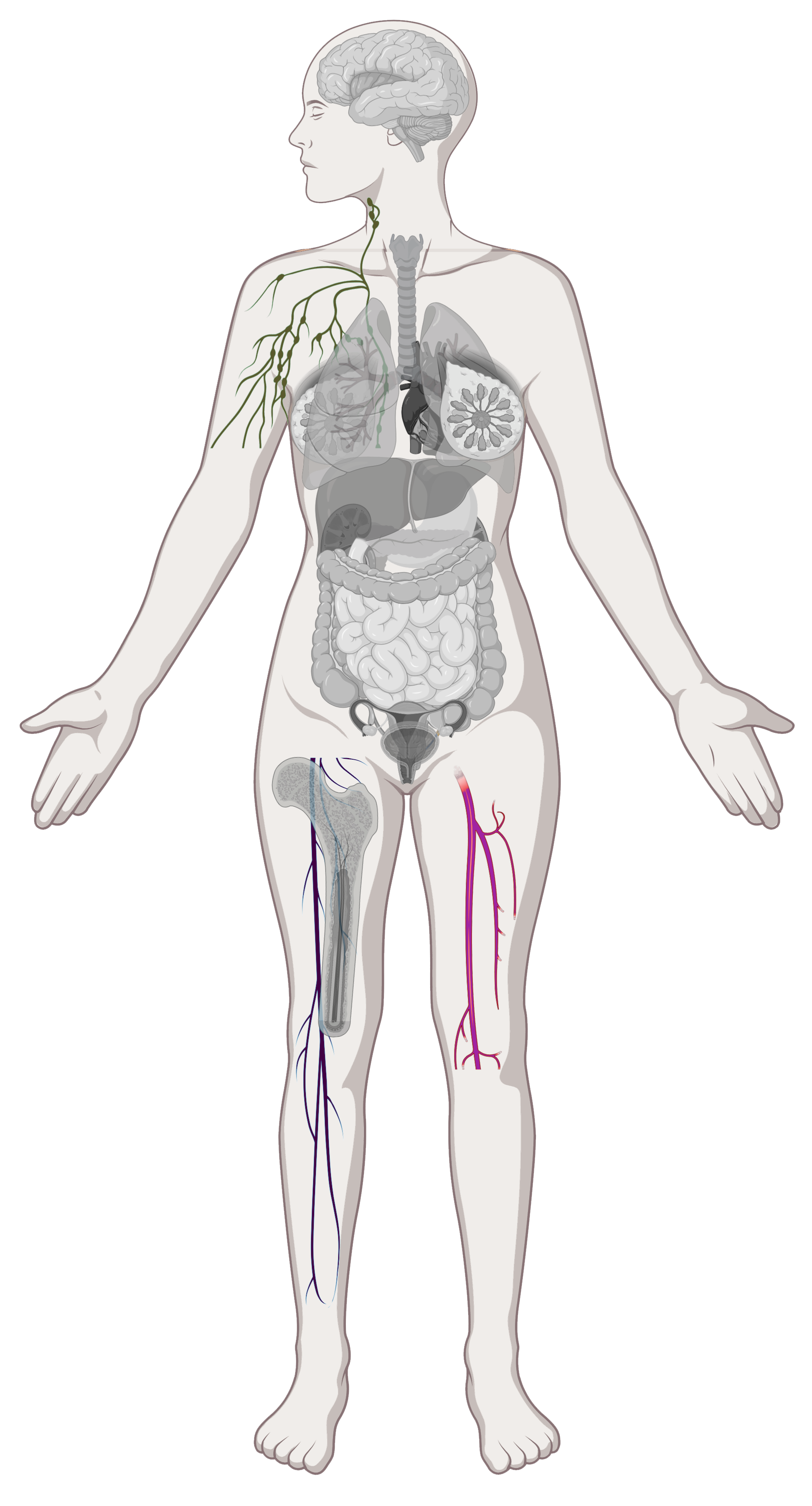

| Breast (476) |
|---|
| TSG (241) |
| Oncogene (146) |
| Dual role (89) |

| Colorectal (415) |
|---|
| TSG (220) |
| Oncogene (116) |
| Dual role (79) |

| Lung (403) |
|---|
| TSG (213) |
| Oncogene (121) |
| Dual role (69) |

| Liver (364) |
|---|
| TSG (183) |
| Oncogene (121) |
| Dual role (60) |

| Stomach (307) |
|---|
| TSG (170) |
| Oncogene (86) |
| Dual role (51) |

| Leukemia (288) |
|---|
| TSG (110) |
| Oncogene (106) |
| Dual role (72) |

| Prostate (278) |
|---|
| TSG (152) |
| Oncogene (80) |
| Dual role (46) |

| Pancreatic (180) |
|---|
| TSG (92) |
| Oncogene (59) |
| Dual role (29) |

| Skin (179) |
|---|
| TSG (82) |
| Oncogene (59) |
| Dual role (38) |

| Ovarian (178) |
|---|
| TSG (86) |
| Oncogene (63) |
| Dual role (29) |

| Kidney (170) |
|---|
| TSG (90) |
| Oncogene (47) |
| Dual role (33) |

| Lymphoma (169) |
|---|
| TSG (52) |
| Oncogene (74) |
| Dual role (43) |

| Glioma (168) |
|---|
| TSG (83) |
| Oncogene (51) |
| Dual role (34) |

| Esophageal (141) |
|---|
| TSG (75) |
| Oncogene (43) |
| Dual role (23) |

| Thyroid (137) |
|---|
| TSG (53) |
| Oncogene (53) |
| Dual role (31) |

| Sarcoma (124) |
|---|
| TSG (32) |
| Oncogene (67) |
| Dual role (25) |

| Glioblastoma (116) |
|---|
| TSG (60) |
| Oncogene (38) |
| Dual role (18) |

| Bladder (115) |
|---|
| TSG (49) |
| Oncogene (36) |
| Dual role (30) |

| Cervical (110) |
|---|
| TSG (54) |
| Oncogene (33) |
| Dual role (23) |

| Osteosarcoma (107) |
|---|
| TSG (61) |
| Oncogene (25) |
| Dual role (21) |
The role of cancer genes
Three roles of cancer genes in POTSON
Cancer is caused by changes in key regulatory genes that control cell proliferation, differentiation, and survival.
ONG: oncogenes are specific genes can induce cancer cell transformation, stimulate cell proliferation and promote cell survival by interfering with apoptosis.
TSG: tumor suppressor genes work on the inverse side of cell growth control, inhibiting cell proliferation and tumour development. These genes are lost or inactivated in many tumours, removing negative regulators of cell proliferation and contributing to tumour cell abnormal proliferation.
Dual role genes: Our TSGene 2.0 database firstly complied a list of 73 TSGs that also play oncogenic roles in various cancers or stages of disease. Now, POTSON offers the most comprehensive gene list (251 known genes) with dual role based on literature information.
When you click on the left bar chart, the three gene sets will appear in your fingertip.
Gene type
Although most tumour suppressors and oncogenes are protein-coding, non-coding transcripts have been extensively explored in recent years. As a result, we could see a significant incresase of non-coding tumour suppressors and oncogenes in POTSON.
| TSGs | ONGs | Dual role | |
|---|---|---|---|
| Protein-coding genes | 1070 | 721 | 220 |
| The non-coding RNA genes | 166 | 65 | 31 |
| The pseudogenes | 3 | 3 | 0 |
| The snoRNA genes | 1 | 2 | 0 |
| Unknown type | 0 | 3 | 0 |